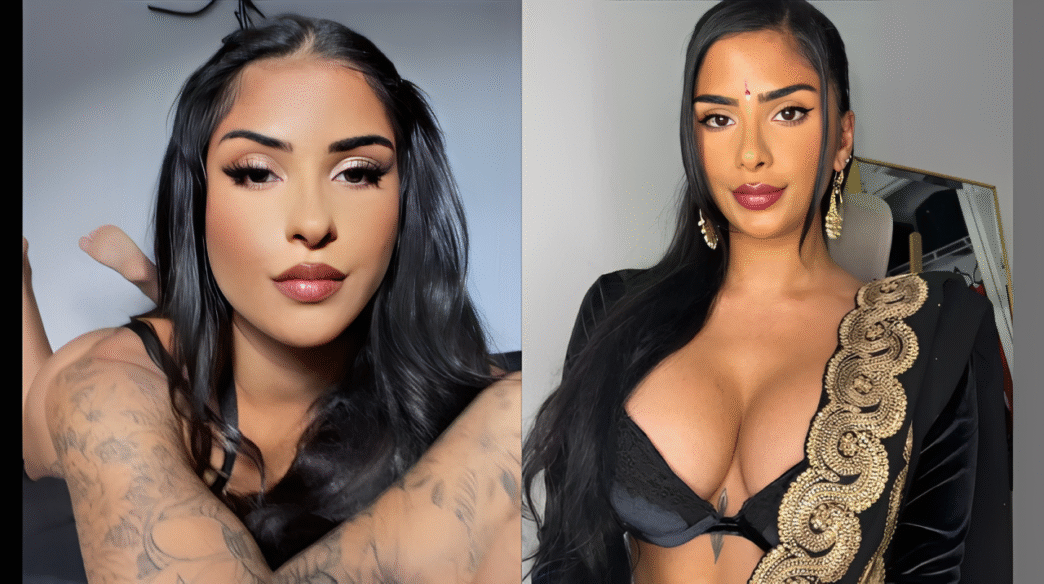
If you’ve spent even five minutes scrolling through social media lately, you’ve probably seen the phrase “Slayhil OnlyFans leaks” pop up somewhere. It’s plastered across search bars, comment sections, and shady-looking links promising “exclusive” content. But here’s the real question: what’s actually going on, and how much of it is even true?
Why This Topic Is Trending
The internet runs on curiosity. When a name gains traction, especially one linked to exclusivity or controversy, people click first and think later. Slayhil’s name entered this cycle the same way many influencers do fast, loud, and fueled by speculation.
The Curiosity vs. Reality Gap
There’s often a massive gap between what people think is happening and what’s actually verified. In many cases, viral rumors are like smoke with no fire just recycled posts feeding the algorithm. 
Who Is Slayhil?
Online Persona and Social Media Presence
Slayhil is known online for a curated digital presence that attracts attention. Like many influencers, their popularity comes from consistency, branding, and audience engagement rather than any single viral moment.
Why Influencers Attract Attention
Influencers are modern-day billboards with personalities. The more eyes they attract, the more rumors follow. Fame online is a double-edged sword attention boosts growth, but it also invites scrutiny.
Understanding OnlyFans as a Platform
What OnlyFans Is (In Simple Terms)
OnlyFans is a subscription-based platform where creators share exclusive content with paying subscribers. It’s not mysterious it’s a business model built around direct creator-to-fan support.
How Content Ownership Works
Creators’ Rights
Content shared on OnlyFans belongs to the creator. Period. It’s protected by copyright laws, just like music, movies, or books.
Subscriber Responsibilities
Subscribing doesn’t mean owning. Sharing or redistributing content without permission is a violation of both platform rules and the law.
What People Mean by “Leaks”
Definition of Digital Content Leaks
A “leak” usually refers to private or paid digital content being shared publicly without consent. In most cases, it’s simply digital theft wrapped in gossip.
Common Sources of Misinformation
Fake screenshots, recycled images, and edited videos are often passed off as “leaks.” Once one person shares it, hundreds follow without checking facts.
Are the Slayhil OnlyFans Leaks Real?
Rumors vs. Verified Information
There is no verified, credible evidence confirming authentic leaked content connected to Slayhil. Most links claiming otherwise lead to unrelated material or outright scams.
How Fake Content Spreads Online
One post becomes a hundred reposts. Add a catchy caption, and suddenly it feels “real” even when it’s not. That’s the internet’s echo chamber at work.
The Legal Side of Content Leaks
Copyright and Digital Theft
Sharing paid content without permission is illegal in many regions. Copyright law doesn’t disappear just because something is digital.
Privacy Laws and Consequences
Beyond copyright, privacy violations can result in serious legal trouble. Fines, lawsuits, and account bans are very real outcomes.
Ethical Concerns Around Leaks
Consent and Respect in the Digital Age
Consent doesn’t expire once something exists online. If someone didn’t agree to public distribution, sharing it is unethical—full stop.
The Human Impact on Creators
Behind every screen is a real person. Leaks can harm mental health, income, and personal safety. It’s not just “drama”; it’s real-life consequences.
Why People Search for Leaked Content
Psychology of Curiosity
Forbidden fruit always looks sweeter. When something is labeled “leaked,” curiosity spikes—even if the content itself is underwhelming or fake.
The Role of Social Media Algorithms
Algorithms reward engagement, not accuracy. The more people search and click, the more the topic spreads.
Risks of Searching for or Sharing Leaks
Malware and Online Scams
Many so-called leak sites are traps. Clicking the wrong link can expose devices to malware, phishing, or data theft.
Legal and Reputation Risks
Sharing or downloading unauthorized content can damage reputations and, in some cases, lead to legal consequences that follow you for years.
How Misinformation Spreads So Fast
Clickbait Culture
Sensational headlines are designed to bypass logic and hit emotion. The result? Fast clicks, slow thinking.
Fake Thumbnails and Edited Media
A cropped image or misleading thumbnail can completely change perception, even when the original content is unrelated.
Protecting Creators Online
Digital Watermarking
Creators use watermarks and tracking tools to identify stolen content and issue takedown requests.
Reporting and Takedown Systems
Platforms have systems in place to remove unauthorized content, but they rely heavily on reporting and enforcement.
How Users Can Stay Safe and Responsible
Critical Thinking Online
Ask simple questions: Is the source credible? Is there proof? Or is it just another recycled rumor?
Supporting Creators the Right Way
If you respect a creator’s work, support them through legitimate channels. That’s how the digital economy stays fair.
The Bigger Conversation About Internet Privacy
What This Case Teaches Us
Whether or not the rumors are true, the discussion highlights how fragile online privacy can be.
The Future of Online Content Protection
Stronger tools, better laws, and smarter users are all part of the solution.
Media Literacy in the Age of Viral Drama
How to Verify Information
Look for multiple credible sources, not just trending posts. Silence from reliable outlets often speaks volumes.
Avoiding Harmful Online Trends
Not every trend deserves attention. Sometimes the best move is scrolling past.
Final Thoughts Before We Wrap Up
Choosing Ethics Over Clicks
The buzz around Slayhil OnlyFans leaks says more about internet culture than about Slayhil. Choosing respect, legality, and common sense over curiosity is always the smarter path.
Conclusion
The internet loves drama, but it rarely pauses for truth. The conversation around Slayhil and alleged OnlyFans leaks is a clear example of how rumors, misinformation, and ethical blind spots collide online. There’s no verified evidence backing these claims, yet the search volume keeps rising. As users, the responsibility falls on us to think critically, respect privacy, and avoid fueling harmful narratives. In the long run, integrity outlasts any viral moment.
FAQs
1. Are there confirmed Slayhil OnlyFans leaks?
No verified or credible sources confirm authentic leaked content.
2. Is it illegal to share leaked subscription content?
Yes, sharing paid content without permission can violate copyright and privacy laws.
3. Why do fake leaks spread so quickly online?
Algorithms prioritize engagement, and sensational rumors attract clicks faster than facts.
4. Can searching for leaks harm my device?
Yes, many leak sites contain malware, scams, or phishing links.
5. How can I support online creators ethically?
By engaging with their content through official, authorized platforms only.