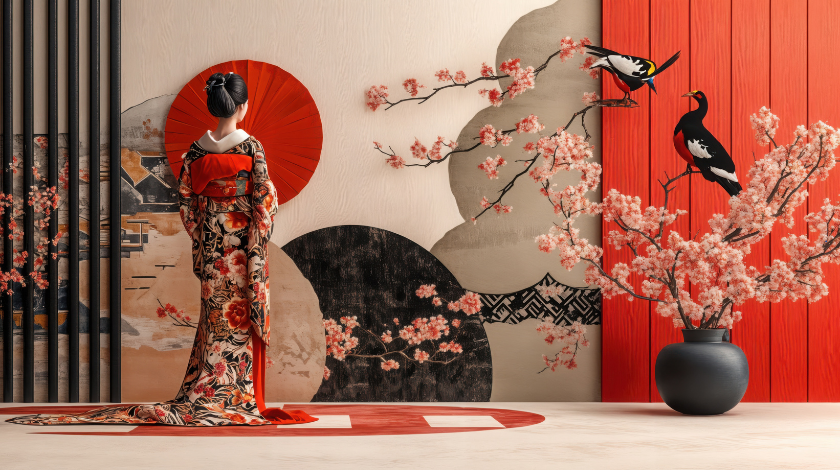
A kimono is more than just clothing. It’s a walking storybook stitched with centuries of Japanese culture, tradition, and artistry. The word “kimono” literally means “thing to wear,” but that simple translation barely scratches the surface. This iconic garment is known for its T-shaped silhouette, long sleeves, wrapped front, and wide belt called an obi.
Why the Kimono Still Matters Today
In a world of fast fashion and fleeting trends, the kimono stands still calm, graceful, and deeply meaningful. It represents respect for tradition, attention to detail, and a slower, more thoughtful way of living. Even today, kimonos appear at festivals, ceremonies, and special life events, proving their timeless appeal.
The History of the Kimono
Origins in Ancient Japan
The roots of the kimono stretch back over a thousand years. Early versions were inspired by Chinese clothing styles introduced to Japan through cultural exchange. Over time, Japanese artisans adapted these designs to suit local climate, lifestyle, and aesthetics. 
Evolution Through the Heian Period
During the Heian period (794–1185), the kimono began to take on its recognizable shape. Straight-line cutting became popular, allowing fabric to be used efficiently. Layering also became fashionable, with color combinations reflecting seasons and social status.
The Edo Period and Cultural Refinement
The Edo period (1603–1868) marked a golden age for kimono culture. Strict social rules limited outward displays of wealth, so people expressed creativity through subtle patterns, fine fabrics, and symbolic designs hidden in plain sight.
Kimono in Modern Japan
With the introduction of Western clothing in the late 19th century, everyday kimono use declined. However, rather than disappearing, the kimono evolved into formal and ceremonial wear, maintaining its cultural significance.
Types of Kimono
Formal Kimono Styles
Furisode
Furisode are the most formal kimono for unmarried women, instantly recognizable by their long, flowing sleeves. They’re often worn during coming-of-age ceremonies and symbolize youth and elegance.
Tomesode
Tomesode are formal kimono for married women. They feature shorter sleeves and elegant designs below the waist, making them perfect for weddings and official events.
Semi-Formal and Casual Kimono
Houmongi
Houmongi are versatile and semi-formal, suitable for visits, parties, and gatherings. Their patterns flow seamlessly across seams, creating a unified design.
Komon
Komon are casual everyday kimono with repeating patterns. They’re comfortable, practical, and ideal for relaxed outings.
Yukata
Yukata are lightweight summer kimono, usually made of cotton. They’re easy to wear and commonly seen at festivals and hot springs.
Kimono for Men, Women, and Children
Women’s Kimono
Women’s kimonos come in the widest variety of styles, colors, and patterns. Sleeve length, fabric, and design all communicate age, marital status, and formality.
Men’s Kimono
Men’s kimonos are more understated, focusing on muted colors and simple designs. The elegance lies in precision, fit, and quality rather than decoration.
Children’s Kimono
Children’s kimonos are vibrant and playful, often worn during celebrations like Shichi-Go-San. They symbolize growth, protection, and good fortune.
Anatomy of a Kimono
Fabric and Materials
Traditional kimonos are made from silk, cotton, hemp, or wool. Silk is the most luxurious, prized for its sheen and smooth texture.
Sleeves, Collar, and Length
Every part of a kimono has a purpose. Sleeves vary by style and age, while collars are layered to create depth and contrast.
The Obi Belt and Accessories
The obi is the wide belt that secures the kimono. Tying it is an art form in itself, with different knots reflecting occasion and style. Accessories like obijime and obidome add subtle flair.
Colors, Patterns, and Symbolism
Seasonal Motifs
Kimonos often feature seasonal designs cherry blossoms for spring, maple leaves for autumn. Wearing the right motif at the right time shows cultural awareness.
Symbolic Meanings of Colors
Colors carry deep meaning. Red symbolizes happiness and vitality, black represents formality, and white signifies purity.
Family Crests (Kamon)
Kamon are family emblems displayed on formal kimono. They represent lineage, pride, and heritage.
How to Wear a Kimono
Step-by-Step Dressing Basics
Wearing a kimono involves careful layering, wrapping left over right, and precise folding. It’s like origami—you need patience, but the result is beautiful.
Common Mistakes Beginners Make
Common errors include incorrect wrapping direction or uneven length. Practice and guidance make all the difference.
When Are Kimonos Worn?
Festivals and Celebrations
From summer festivals to New Year celebrations, kimonos bring color and tradition to joyful moments.
Weddings and Ceremonies
Kimonos play a central role in weddings, tea ceremonies, and graduations, marking life’s milestones with grace.
Everyday and Casual Use
While less common, casual kimono are still worn for outings, art events, and cultural experiences.
Kimono vs Yukata
Key Differences Explained
Yukata are casual, unlined, and perfect for summer, while kimono are more structured and suitable for formal occasions. Think of yukata as a summer breeze and kimono as a timeless melody.
Kimono in Modern Fashion
Influence on Global Fashion
Designers worldwide draw inspiration from kimono silhouettes, sleeves, and patterns, blending tradition with modern flair.
Contemporary Kimono Styling
Today, kimonos are paired with boots, belts, and modern accessories, making them accessible and stylish for everyday wear.
Caring for a Kimono
Cleaning and Storage Tips
Proper care includes airing out, careful folding, and specialized cleaning. Treat a kimono like a treasured book gentle handling preserves its story.
Preserving Vintage Kimonos
Vintage pieces should be stored away from light and humidity to maintain fabric integrity.
Buying a Kimono
Authentic vs Modern Kimono
Authentic kimonos are handcrafted and often expensive, while modern versions offer affordability and ease.
What to Look for as a Beginner
Start with casual styles and comfortable fabrics. Fit, fabric quality, and purpose matter more than price.
Cultural Etiquette and Respect
Wearing Kimono Appropriately
Understanding when and how to wear a kimono shows respect for Japanese culture.
Cultural Appreciation vs Appropriation
Wearing a kimono with knowledge and respect is appreciation, not imitation. Intention and understanding make all the difference.
Why the Kimono Will Never Go Out of Style
The kimono isn’t frozen in time it evolves while staying rooted in tradition. Its balance of beauty, meaning, and craftsmanship ensures it will always have a place in the world.
Conclusion
The kimono is not just clothing it’s history you can wear, culture you can feel, and art you can move in. Whether admired from afar or worn with care, the kimono continues to connect past and present in a way few garments ever could.
Frequently Asked Questions (FAQs)
1. Is it okay for non-Japanese people to wear a kimono?
Yes, wearing a kimono respectfully and with understanding is widely welcomed.
2. What is the easiest kimono for beginners?
A yukata or casual komon kimono is ideal for beginners.
3. How long does it take to put on a kimono?
Beginners may take 30–60 minutes, while experienced wearers can dress much faster.
4. Are kimonos comfortable to wear?
When worn correctly, kimonos can be surprisingly comfortable.
5. Why are authentic kimonos expensive?
They require skilled craftsmanship, high-quality materials, and many hours of work.